Understanding Data Disposal and Data Destruction
Data disposal and data destruction both refer to methods of eliminating old sensitive data and documents to meet legal requirements, though both are involved in the complete elimination of documents or digital data.
What is Data Disposal?
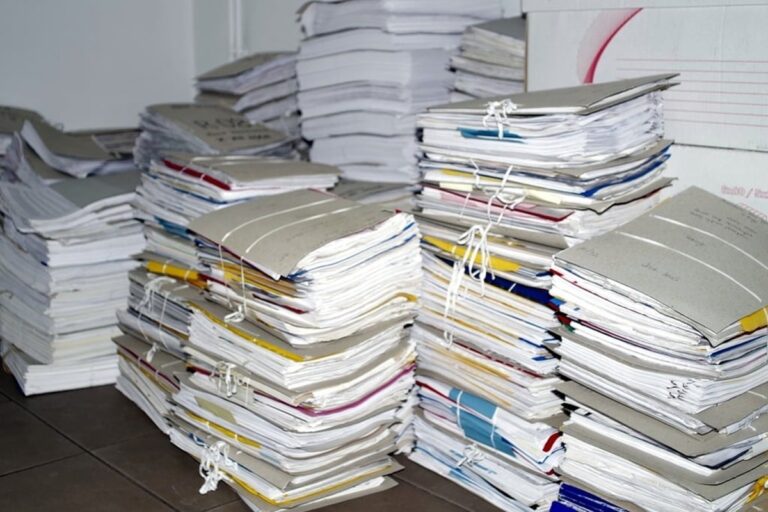
Data disposal mainly refers to clearing digital or paper data from immediate access, usually involving throwing documents or clearing digital data. Simply disposing of sensitive information without proper measures could lead to serious risks.
What is Secure Data Destruction?
Secure data destruction involves safe measures to destroy paper documents or permanently remove digital data from all storage spaces. It ensures data becomes completely inaccessible through methods such as physical destruction, digital sanitisation, data wiping, and shredding.
The Importance of Secure Document Destruction and Data Destruction
Both document destruction and digital data destruction are essential, especially for companies and organisations that must comply with industry regulations. Regulations such as the General Data Protection Regulation demand protection of all sensitive data through proper storage, disposal and destruction methods.
The Key Differences
Secure Document Destruction: Physical Destruction
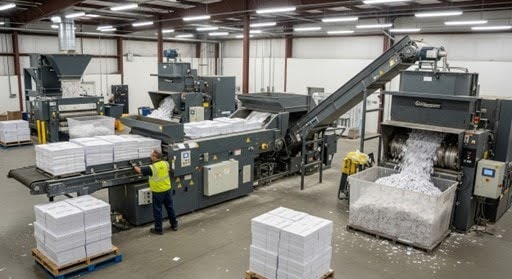
Secure document destruction typically involves the physical destruction of all paper-based documents, usually using a paper shredding service or shredding machine.
How a Shredding Service Works:
- A shredding service provider collects documents in locked bins from your premises and moves them to a secure location.
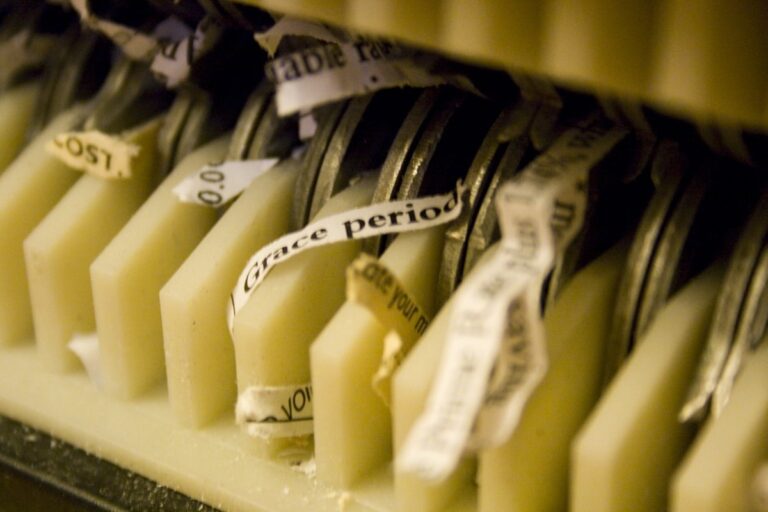
- Industrial-grade shredders reduce documents to tiny, irretrievable pieces.
- The service provider issues a Certificate of Destruction, showing compliance with regulations.
- On-site shredding services use mobile shredding trucks for destruction on your premises.
Digital Data Destruction
Digital data destruction refers to permanently erasing data stored on electronic devices using digital methods or physical destruction. It typically includes destroying data on hard drives, solid-state drives, USBs and other storage media.
How It Works
Various methods eliminate digital data, such as data wiping using random patterns and multiple passes to overwrite data, degaussing using magnets to erase data, or hard-drive shredding.
What Must Be Destroyed
- Data no longer required or that has passed its retention dates.
- Highly sensitive corporate data, personal digital data, financial records, or health data.
- Devices containing sensitive information of former employees or outdated equipment details.
- Old hard drives requiring hard-drive shredding or data wiping; solid-state drives requiring a mix of physical and digital destruction.
Data Destruction Methods Explained
Hard Drive Shredding
Specialists use specialised industrial-grade shredders to destroy hard drives and turn them into scrap ready for recycling or disposal.
Degaussing
A strong magnetic field is used to destroy data stored on magnetic disks.
Data Wiping on Solid-State Drives
Specialists use specialised software to overwrite existing data with safe random data to eliminate confidential data on certain devices and storage drives.
Physical Destruction of Digital Data
Physically destroying obsolete devices using shredding, incinerating, or crushing is often the only guaranteed method to dispose of old confidential data safely.
Understanding the Value of Each Digital Data Destruction Method
While digital data destruction allows the re-use or recycling of some devices, physical destruction is the only sure method for secure data destruction. A mix of physical destruction and data wiping is usually required in companies that must follow specific security requirements.
Conclusion
Every company and household possesses digital data and paper data that requires a thorough process of secure destruction to prevent data breaches, identity theft, or serious compliance violations. Complete digital data destruction often requires more than merely decommissioning outdated hard drives, just as paper documents require more than basic disposal.
By investing in a professional paper shredding service or certified data destruction service provider, you can protect sensitive information and reduce the risk of data falling into the wrong hands while ensuring compliance with privacy laws and industry regulations.