Understanding the Importance of Secure Document Destruction for Medical Documents
Medical document shredding plays a critical role in protecting patient privacy and safeguarding sensitive information. Healthcare providers handle a vast amount of confidential patient data, including medical records, insurance information, and personally identifiable information (PII). Improper disposal of these documents can lead to identity theft, fraud, and other privacy breaches.
Healthcare organisations can ensure the irreversible destruction of sensitive information by shredding medical documents, making it virtually impossible to reconstruct. This helps to prevent unauthorised access and protects patients' personal and medical information.
Meeting Healthcare Standards
Medical document shredding is essential for meeting healthcare compliance standards. Regulations such as the Health Insurance Portability and Accountability Act (HIPAA) require healthcare providers to implement safeguards to protect patient privacy. Securely disposing of medical documents using shredding services is of critical importance to comply with these regulations and avoid penalties.
Key Regulations Governing Medical Document Disposal
Health Insurance Portability and Accountability Act (HIPAA)
HIPAA sets standards for the protection of sensitive patient health information and requires healthcare providers to implement safeguards, including secure document disposal.
HITECH Act
The Health Information Technology for Economic and Clinical Health (HITECH) Act strengthens HIPAA regulations and imposes stricter requirements for the privacy and security of electronic health records.
State Laws
In addition to federal regulations, healthcare organisations must also comply with state-specific laws regarding the disposal of medical documents.
Best Practices for Secure Medical Document Destruction
Implement a Document Destruction Policy — Develop a clear policy that outlines the guidelines and procedures for document disposal, including shredding and complete destruction.
Train Staff on Secure Document Handling — Educate employees on the importance of secure document handling and the proper procedures for secure document shredding, especially for medical documents.
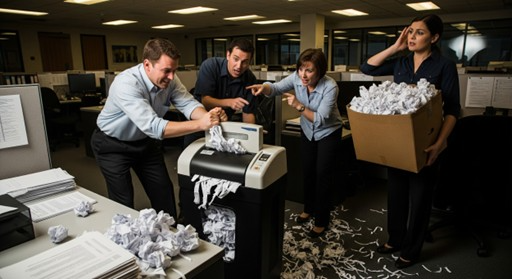
Use Cross-Cut Shredders — Cross-cut shredders ensure complete document destruction into tiny confetti-like particles, making it extremely difficult to reconstruct shredded documents.
Secure Collection Containers — Use locked containers for collecting and storing documents awaiting their secure document destruction services to prevent unauthorised access.
Regular Shredding Schedule — Medical facilities must have a clear schedule for confidential document destruction. A scheduled service ensures timely disposal and reduces the risk of accumulation.
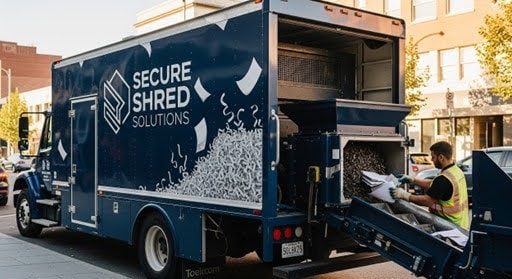
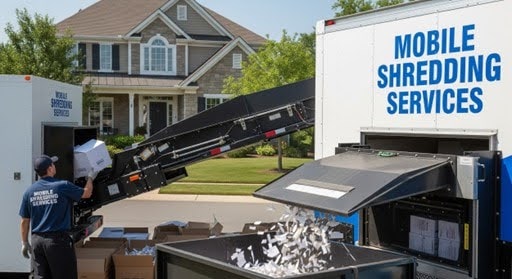
Secure Shredding Service — Partner with a professional shredding service provider that specialises in medical document disposal and ensures a secure chain of custody.
Choosing the Right Medical Document Shredding Service
Regulatory Compliance
Verify that the service provider follows all relevant regulations, such as HIPAA. Look for certifications and accreditations that demonstrate the shredding service's commitment to quality and security, such as NAID AAA Certification.
Security Measures and Protocols
Your medical documents must be safe throughout the process — from pickup, to transport, on the shredding site, and then securely disposed of. Inquire about security measures such as a secure chain of custody, employee background checks, and video surveillance. Most shredding service companies provide a certificate of destruction.
Shredding Method
Ensure the service provider uses a secure shredding method, such as cross-cut shredding, to render documents irretrievable.
Environmental Responsibility
Consider a shredding service that prioritises environmental sustainability by recycling shredded paper.
Final Thought
Choosing the right service provider is crucial for medical document shredding. By partnering with a reliable and trustworthy shredding service, you can ensure you securely shred and dispose of medical documents, minimising the risk of data breaches and ensuring compliance with privacy regulations.