Understanding the Importance of Secure Document Destruction
Secure document destruction is essential to protect sensitive information from falling into the wrong hands. Document shredding is one of the best methods that completely destroys documents to prevent identity theft and data breaches. Identity thieves can easily use sensitive data and documents to steal your identity, make purchases or take loans in your name, and even commit financial fraud.
Comprehensive Document Shredding Checklist
Business Documents
As a business, it is essential to use a document shredding service that provides secure physical destruction of sensitive documents. Consider implementing a document destruction policy to ensure compliance with data protection regulations.
Financial information:
- Budget and financial records
- Tax documents and returns
- Sales receipts and invoices
- Payroll information
- Bank and credit card statements
Company information:
- Company structure and pricing documentation
- Supplier information
- Strategic plans
Employee information:
- Old employee records and identity documents
- Appraisals and employee reviews
- Disciplinary documents
- Leave and absence information
- Promotion documents
Client or customer information:
- Old customer contracts
- Client contact and personal details
- Printed correspondence
- Photo identification
- Documents containing addresses, contact numbers, names or emails
Personal Information and Sensitive Documents
Financial Records and Bank Statements:
- Old bank and credit card statements
- Cancelled cheques
- Documents containing personal information
Junk Mail:
- Printed promotional mail
- Digital emails
- Documents with personal or confidential information
- Spam mail
Medical Documents:
- Outdated medical prescriptions
- Medical prescription labels
- Old medical documents
- X-ray photos
- Medical aid information
- Medical bills and receipts
Old Photos and Identification Documents:
- Duplicate and unwanted pictures
- Old identification documents
- Documents containing pictures or personal details
Travel Documents:
- Travel itineraries
- Boarding passes and tickets
- Travel planning documentation
- Flight or accommodation details
- Travel-related financial documents
Shipping and Delivery Documents:
- Order forms and invoices
- Digital order information
- Delivery documents and notices
- Address labels on packages
Memos and notes:
- Handwritten notes
- Memos and sticky notes
- Reminders and appointment records
- Old calendars and diaries
- Journals containing personal information
When to Shred Documents
Holding onto documents could potentially give identity thieves access to information that should be destroyed. Secure document destruction is recommended by security experts to reduce identity theft risk.
Destroy or Shred Immediately
- Bank and credit card statements
- Financial records
- Documents with account numbers, tax file numbers or signatures
- Old tax returns and receipts
- Utility bills
- Cash withdrawal receipts
- Pharmacy labels and old prescriptions
- Out-of-warranty sales receipts and invoices
- Duplicate documents or photos
Destroy Periodically
One Year or Less:
- Pay stubs
- Bank statements
- Paid medical bills
- Medical records
- Financial records
- Junk mail
- Courtesy cheques
- Pre-approved loan offers
After Seven Years:
- Old tax records
- Tax returns
- Tax-related documents
Expired Permanent Records:
- Expired passports and driver's licences
- Birth certificate copies
- Insurance policies
- Contracts and resumes
- Identification document copies
Documents to Keep Forever
The following documents must be kept permanently and stored in a secure location:
- Birth certificates, marriage certificates, passports and original identification
- Documents with tax file numbers and account numbers
- Passwords and access information
- Irreplaceable medical and financial records
Permanent records:
- Birth certificates
- Adoption papers
- Identity cards
- Marriage certificates
- Divorce papers and decrees
- Death certificates
- Vehicle titles
- Home deeds
How to Protect Yourself from Identity Theft and Scammers
One of the best methods to protect yourself is to properly manage, store and destroy documents as required. Documents containing personal, sensitive, financial, or confidential information must be kept secure and discarded properly. Document shredding completely obliterates documents, making it difficult for identity thieves to access information.
Implementing Secure Shredding Methods
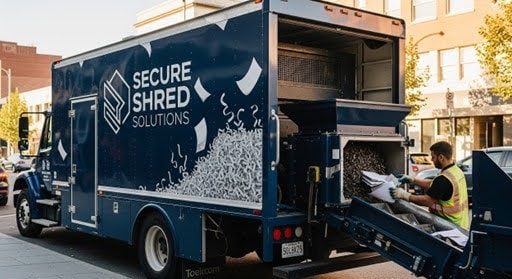
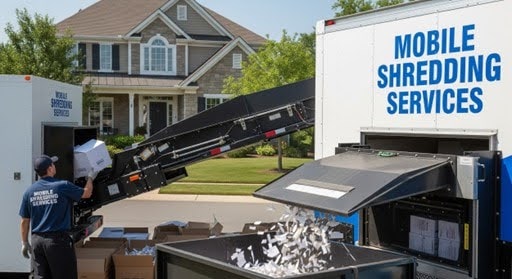
You can shred documents yourself or use a professional document shredding service. Professional providers offer on-site and off-site services that are typically more reliable and secure. It is also necessary to destroy digital records to prevent hacking and fraud.
Document Organisation and Storage
Organise and store documents so you can easily identify what to keep and what to shred. Use secure storage like a safe or locked cabinet. Consider scanning documents and saving them to a secure hard drive to reduce physical clutter.
Emergency Kit Documents
Keep certain documents close at hand for emergencies. Include financial statements, identification, insurance information and tax numbers. Maintain these documents or keep digital copies in a secure location.
Final Note
Identity thieves can easily find personal information in homes and businesses to misuse. The potential damage to your financial status and reputation makes document shredding worthwhile. Businesses are especially recommended to invest in professional secure document shredding services for complete peace of mind.