Understanding Secure Document Shredding and Its Importance in Protecting Confidential Data
Individuals and businesses handle constant streams of paperwork containing personal data, confidential information, and sensitive details. Data protection laws impose strict requirements for eliminating internal documents, and failure to adopt proper destruction practices could threaten personal freedom, finances, and business reputation through risks like identity theft and data breaches.
Modern shredders classify output according to security levels based on particle cut size, ranging from long thin strips to powder-like pieces. Choosing the appropriate cut balances speed, cost, efficiency, and security needs.
Choosing the Right Document Shredding Cut
Strip-Cut Shredder
The most basic shredder type, typically for commercial use, cuts paper into long, thin vertical strips. These machines prioritise speed over security.
How It Works
Strip-cut shredders have a single set of rotating blades that slice paper into long vertical strips ranging from approximately 1/8 to 1/2 inch, suitable for large and small shredding volumes.
Documents Strip-Cut Shredders Are Used For
- Internal memos
- General office printouts
- Junk mail
- Outdated marketing material
- Newspapers and brochures
Strip-cut shredders work best for documents without sensitive, personal, financial, or confidential data.
Data Protection Security Level
Strip-cut shredders offer the lowest security levels, DIN 66399 Security Level P-1 to P-2. Paper strips could potentially be reassembled by someone with determination and access to shredded materials.
Pros and Cons
Advantages include fast shredding speed, ability to handle large volumes, less frequent emptying due to larger shred size, lower cost, and lower maintenance. Disadvantages include low security since strips reconstruct easily, unsuitability for sensitive documents, larger pieces consuming more bin space, and disposal challenges.
Cross-Cut Shredding
Cross-cut shredders fall between micro-cut and strip-cut models, offering a solid combination of speed, security, and cost effectiveness ideal for offices and service providers.
How It Works
Two contra-rotating blade sets slice paper both vertically and horizontally into small rectangular or diamond-shaped particles, often called confetti cut, making document reconstruction much harder.
Documents Cross-Cut Shredders Are Used For
- Financial documents
- Payroll and tax records
- Employee and client personal information
- Health and HR files
- Basic legal contracts
Data Protection Security Level
Cross-cut shredders fall within DIN 66399 Security Level P-3 to P-4, considered secure enough for general business use and meeting compliance for many privacy laws and corporate regulations.
Pros and Cons
Confetti-style particles prove harder to reassemble, offering better security than strip cuts. Machines are generally quieter and compact, suitable for diverse document types. However, they are slower than strip-cut shredders and require higher maintenance due to complex mechanics.
Micro-Cut Document Shredders
Micro-cut shredders offer the highest security available in consumer and professional grades, producing irretrievable particles. Government offices, law firms, and corporations handling highly confidential data primarily use these machines.
How They Work
Multi-directional cutting mechanisms render paper into tiny, almost powder-like particles that are completely unreadable and irretrievable.
Documents Micro-Cut Shredders Are Used For
- Classified documents
- Legal case files
- Intellectual property
- Financial audits and ledgers
- Client and medical records subject to data privacy laws
- Compliance-required data (GDPR, HIPAA, ISO 27001)
Data Protection Security Level
Micro-cut shredders offer the highest security levels, ranging from DIN 66399 Security Level P-5 to P-7, suitable for sensitive business records and high confidentiality documents meeting government standards.
Pros and Cons
Advantages include the highest data protection level and impossible document reconstruction. Disadvantages include slowest shredding speed, high upfront and maintenance costs, and frequent servicing needs.
Shredding Service Providers and How They Can Help Manage Your Shredding Needs
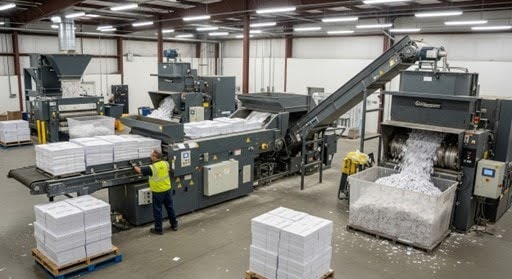
While owning an in-house shredder provides more control, outsourcing to professional providers ensures greater security, efficiency, and compliance. Reputable providers use industrial-grade shredders that shred documents fast into irretrievable particles.
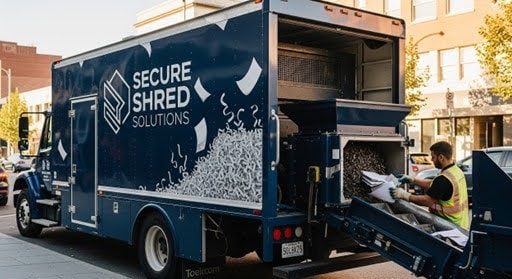
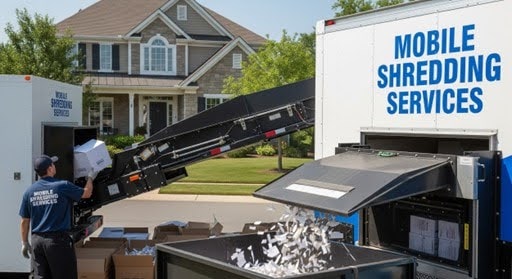
Shredding service providers offer scheduled pick-ups with locked bins and secure facilities for destruction. Services include on-site shredding using mobile trucks or secure off-site destruction. After shredding, companies provide clients with a Certificate of Destruction ensuring compliance with privacy laws and industry regulations.
Conclusion
Understanding differences between strip-cut, cross-cut, and micro-cut shredding highlights the importance of selecting the right shredder. Secure destruction of confidential data is necessary to protect information in homes and businesses. Professional shredding services offer reliable destruction without resurrection risk, shielding confidential data while preserving identity and ensuring compliance.